What is commission?
A commission is a fee charged per lot or per contract traded, on top of the spread. It is explicit at firms quoting raw spreads, and folded into the price difference at those advertising zero commission.
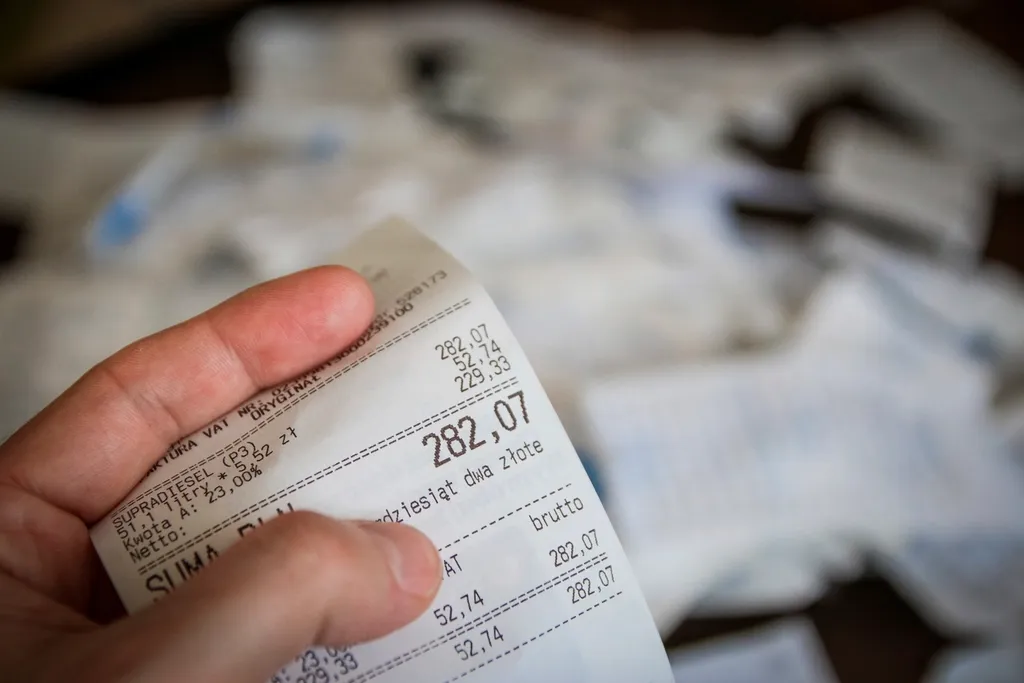
It is the second transaction cost, and the only one that shows up explicitly on an account statement.
How it is calculated
On forex, commission is usually expressed per standard lot traded, round turn: an amount charged on entry and another on exit, or a single amount covering both.
On futures, it is expressed per contract and comes with exchange and clearing fees, sometimes passed on separately.
The zero-commission illusion
A firm advertising no commission necessarily folds its margin into the spread. The total cost is comparable, sometimes higher, but it becomes invisible on the statement.
To compare two firms honestly, add spread and commission together on the instruments you actually trade. A raw spread of 0.2 pip plus $7 of commission per lot works out much the same as a 0.9 pip spread with no commission — but the first model is verifiable and the second is not.
The effect on strategies
How much commission weighs depends entirely on your frequency.
A swing trader taking three positions a month bears a negligible cost relative to the moves being targeted.
A scalper executing fifty trades a day sees commission become their main charge, sometimes larger than their gross result. For them, a few dollars of difference per lot changes whether the strategy is profitable at all.
What to ask for
Prop firms rarely publish their full fee schedule. Ask support for the round-turn cost per lot on the instruments you trade, and keep the answer. It is information no sales page provides, and it weighs more on an annual result than the advertised profit split.
Updated on
Related terms
- Lot A lot is the unit of position size on forex: one standard lot represents 100,000 units of the base currency. Prop firms often cap the cumulative volume allowed per day or per instrument.
- Simulated account A simulated account reproduces market conditions without orders reaching a real market. Most prop firm accounts, including those held after passing the challenge, run on this model.
- Scalping Scalping means taking many very short positions to capture small price differences. Allowed by most prop firms, in practice it runs into minimum holding times and execution conditions.
- Spread The spread is the gap between an instrument's buy and sell price. On a prop firm account it comes from the firm's own configuration, and it is a recurring cost traders routinely underestimate.